
Banding stations are critical to our understanding of migration science and the health of bird populations. The work of our station and hundreds like it, along with universities and citizen science observers, informs major analyses of the health of our planet, with birds as a proxy. Just a couple of weeks ago, BirdLife International released its sixth State of the World’s Birds Report. It paints a bleak picture: 45% of all migratory bird species are in decline, with shorebird species being hit particularly hard.
In the face of such declines, what is a banding station to do?
Yes, we continue to collect the data. But we also make more of an effort to reverse those trends. For us at the Cape Florida Banding Station, that’s by inspiring a love of birds in our community that will turn our neighbors into bird champions and future generations into better scientists and stewards.
So far this season, we’ve been able to host multiple visitors (and groups) at the station, participate in tabling events, and give presentations to several different groups – and as migration ramps up, we’re just getting started.
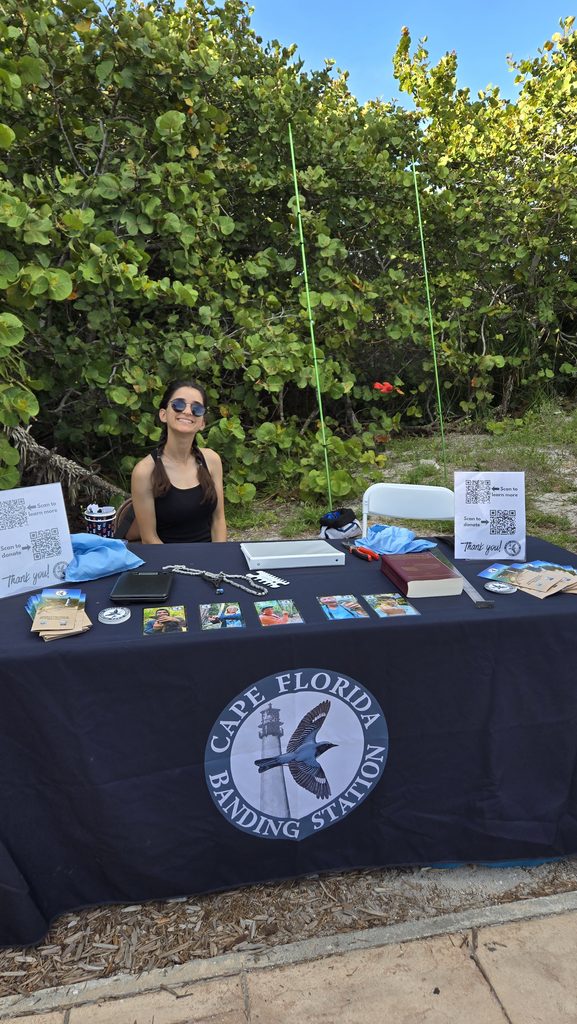
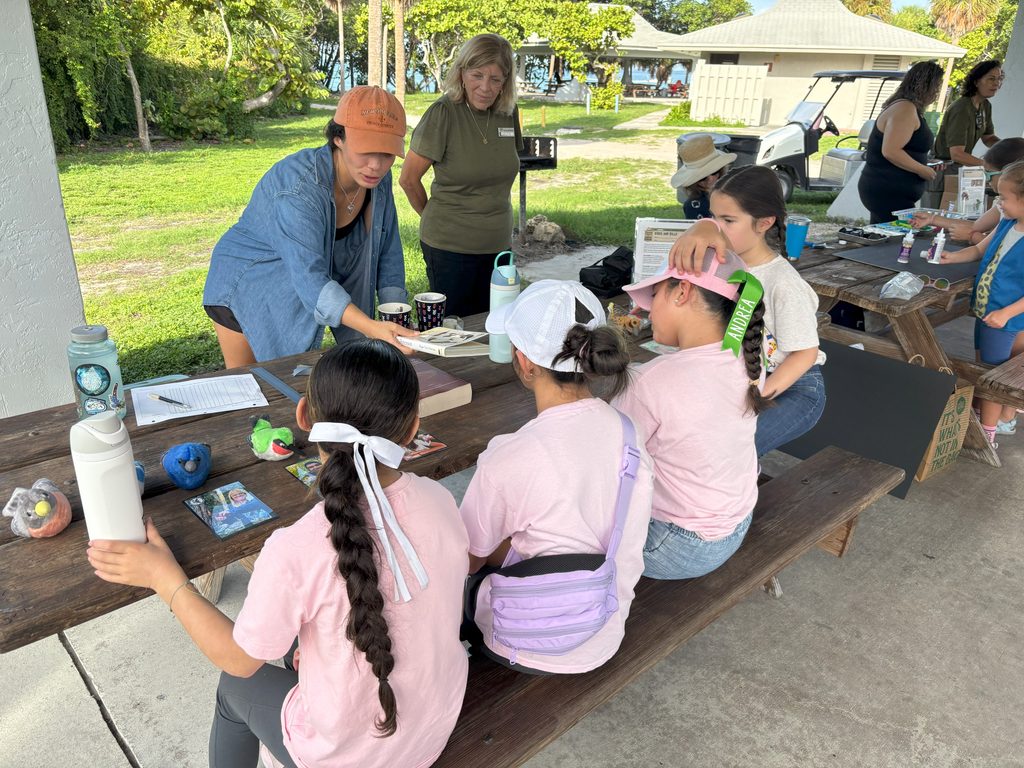
One of the nice things about banding in a state park is that there are often other tabling events already taking place where we can talk to community members about what a banding station is all about. This fall, we tabled at the lighthouse celebration and at a girl scout event. Both gave us an opportunity to connect with residents of Key Biscayne and beyond, and even give them the experience of getting banded themselves! While no live birds are involved in these demonstrations, we try to give people a taste of what banding stations are, and emphasize that we’re conducting responsible science.
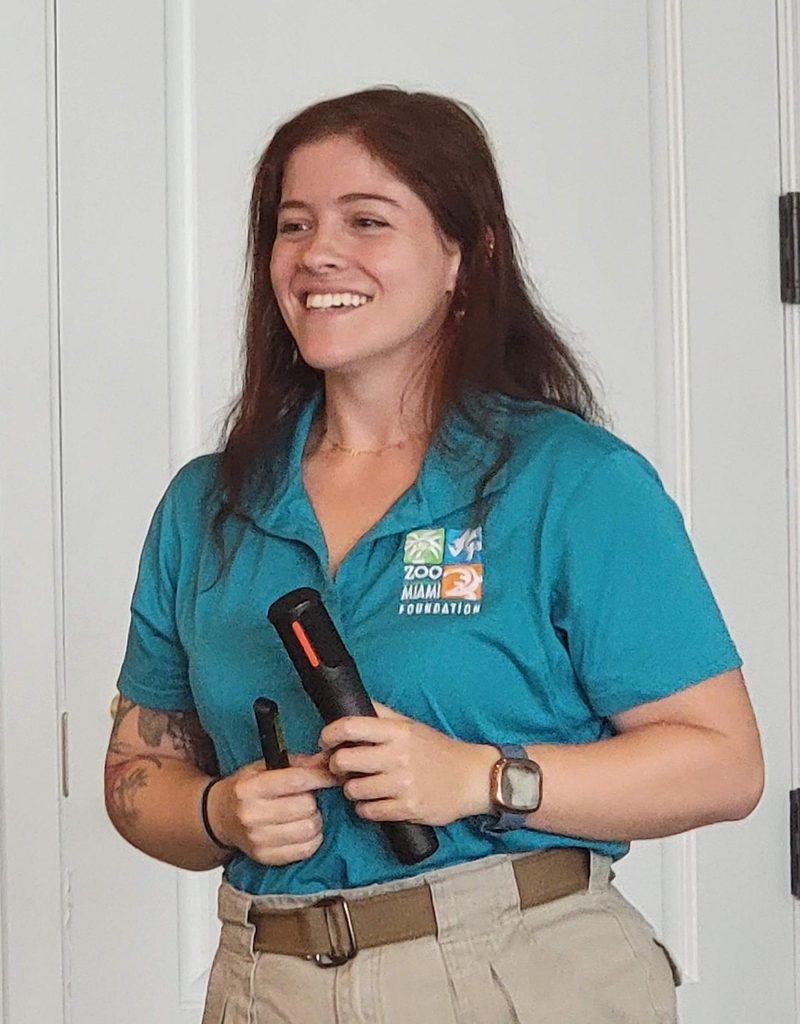
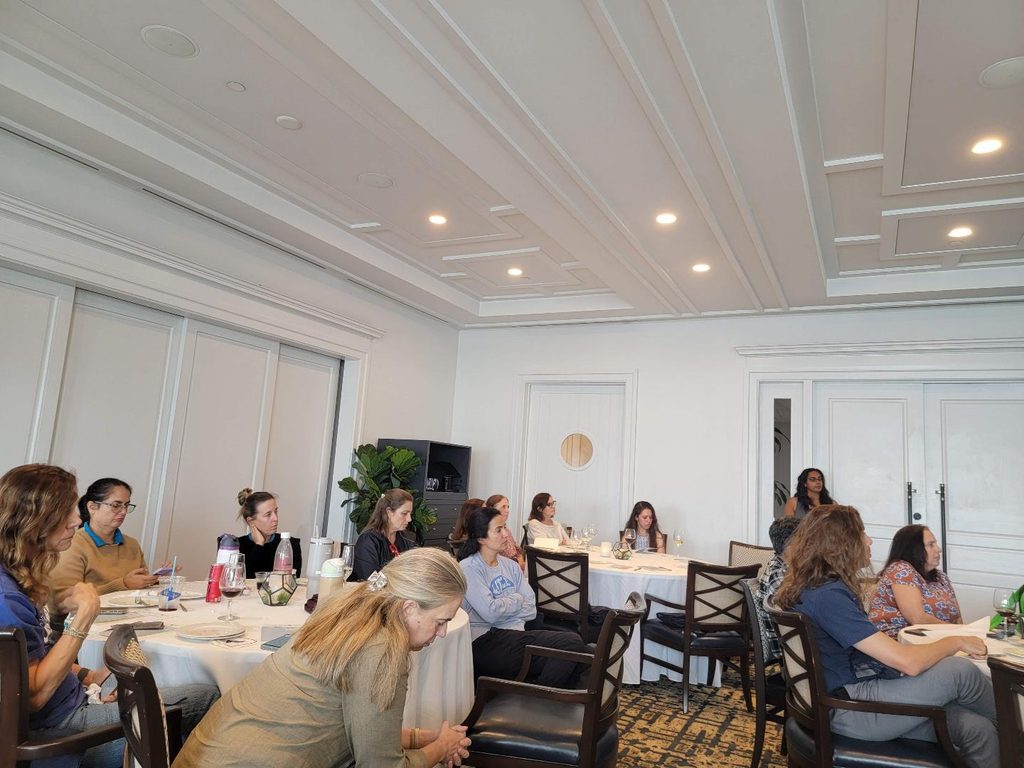
We’re also fortunate to be invited to speak to different community groups in a more formal presentation setting. Just this past week, we were asked to speak about bird migration science to teachers participating in the Key Challenge, an event to equip educators on Key Biscayne to better support and inspire their students to conduct science fair projects aligned with a particular theme each year. This year’s theme is migration and movement, and what better local project to highlight this theme than a bird banding station? The teachers had great questions and we can’t wait to see what their students come up with!
Still, arguably our most sought after offering is a visit to the banding station. While in some ways these are the easiest for us – after all, we’re already out there banding birds! – they’re also the ones we approach with the most caution, for the safety of the birds involved. Even with our more selective practice to offering station visits, we’ve been able to host several visiting individuals already, and hosted our first group visit, our long-time friends, the Phoebes, a couple weeks ago. These experiences give visitors an opportunity to see a banding station in action and ask questions about our methods, what we’ve learned, and how they can help migratory songbirds along their journeys.
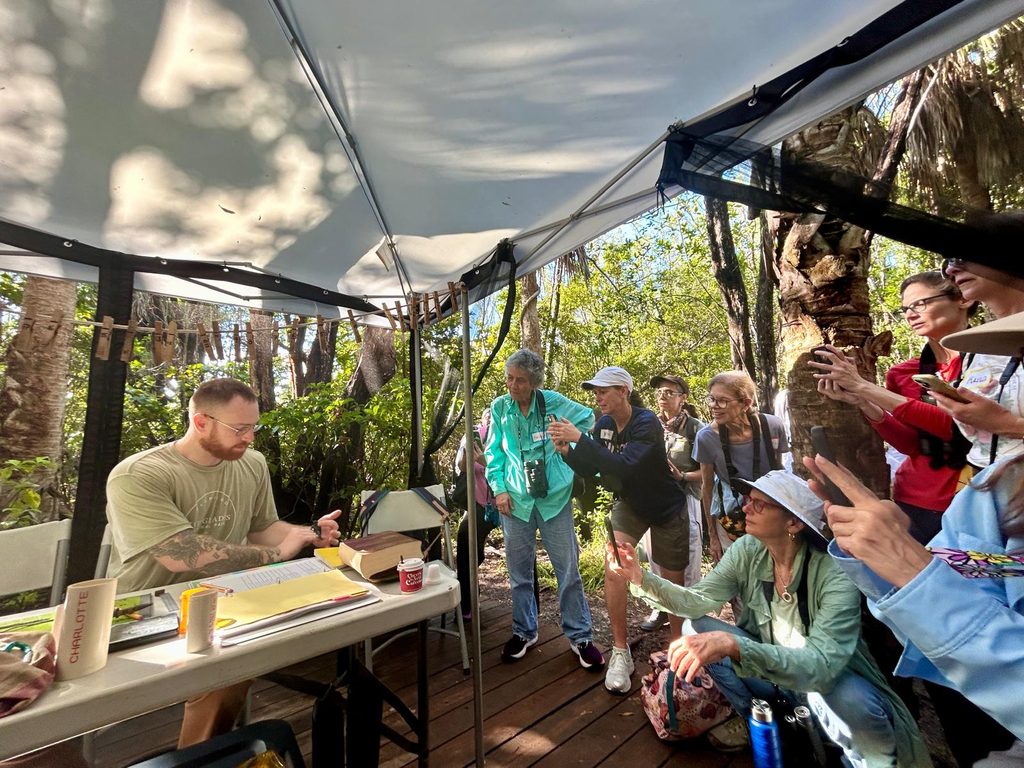
While no banding station can exist solely for the purposes of education, education is a really important part of many station’s missions. After all, what’s the point of banding birds if nobody’s going to care enough about them to keep them flying?
If you’re interested in having us table at your events, offer a presentation to your class, or host a group at the station, please reach out to us using the contact form!
Fall 2026 totals (August 15 – October 2)
| SPECIES | NEW | RETURN |
| Common ground dove | 1 | |
| Chuck-will’s widow | 5 | |
| Eastern whip-poor-will | 1 | |
| Yellow-bellied flycatcher | 1 | |
| Traill’s flycatcher | 3 | |
| Alder flycatcher | 1 | |
| Great crested flycatcher | 6 | 1 |
| White-eyed vireo | 8 | |
| Thick-billed vireo | 1 | |
| Yellow-throated vireo | 1 | |
| Red-eyed vireo | 25 | |
| Veery | 1 | |
| Gray-cheeked thrush | 3 | |
| Bicknell’s thrush | 1 | |
| Swainson’s thrush | 19 | |
| Gray catbird | 2 | |
| Blue-gray gnatcatcher | 14 | 1 |
| Tennessee warbler | 1 | |
| Northern parula | 16 | |
| Yellow warbler | 1 | |
| Cape May warbler | 2 | |
| Black-throated blue warbler | 32 | |
| Prairie warbler | 15 | |
| Bay-breasted warbler | 1 | |
| Black-and-white warbler | 72 | |
| American redstart | 166 | |
| Prothonotary warbler | 6 | |
| Worm-eating warbler | 99 | |
| Swainson’s warbler | 53 | 1 |
| Ovenbird | 257 | 6 |
| Northern waterthrush | 70 | |
| Louisiana waterthrush | 2 | |
| Kentucky warbler | 1 | |
| Common yellowthroat | 43 | |
| Hooded warbler | 1 | |
| Northern cardinal | 5 | 2 |
| Painted bunting | 2 | |
| Common grackle | 1 | |
| TOTAL | 939 | 11 |
| # BIRDS CAPTURED | # SPECIES | # NETS | NET HOURS | CAPTURE RATE (BIRDS/100 NH) | |
| SEASON TOTAL | 939 | 38 | 25 | 6131 | 17.779 |